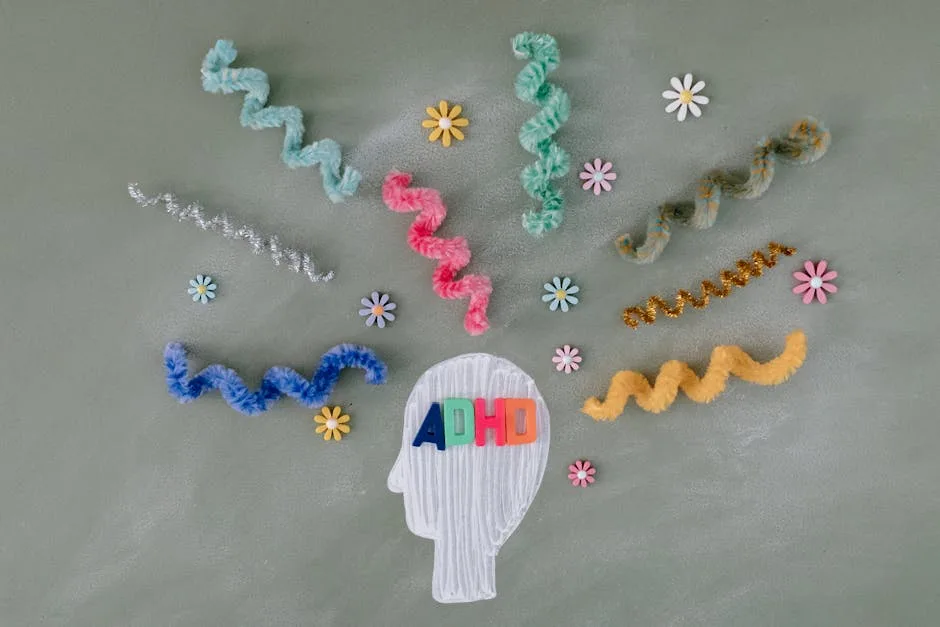
- ADHD paralysis is a brain freeze caused by executive dysfunction. It’s not laziness or lack of motivation. It involves real brain differences in dopamine and prefrontal cortex function.
- Between 25-40% of adults with ADHD have frequent trouble starting tasks. This is one of their most disabling symptoms. It’s often triggered by too many decisions, emotional barriers, and unclear tasks.
- Proven strategies like body doubling, breaking tasks into tiny steps, and changing your environment can reduce paralysis by 40-65%. Medication helps 60-70% of adults overcome trouble starting tasks.
I was sitting at my desk last Tuesday morning. My laptop was open. My coffee was getting cold. The email tab was staring at me.
I’d been there for forty-seven minutes. I hadn’t typed a single word.
It wasn’t because I didn’t want to respond to those emails. God, I really wanted them off my list. But my fingers wouldn’t move. My brain felt like it was wrapped in thick fog.
That’s ADHD paralysis. If you have ADHD, you know exactly what I’m talking about.
It’s that horrible feeling when you’re desperate to do something. But you’re completely unable to begin.
Not won’t. Can’t.
There’s a difference, and it matters.
What Actually Happens During ADHD Paralysis
Here’s what was happening in my brain during those forty-seven frozen minutes. My prefrontal cortex was basically offline. That’s the part responsible for starting action.
Recent research from 2026 shows something important. ADHD brains struggle with “reward prediction error.” Our dopamine-deficient brains can’t figure out if a task is worth the energy to start it.
So we freeze.
Think of it like this. Normal brains see a task and automatically calculate. “Okay, this will take 20 minutes. It’s moderately important. Here’s the first step.” Their prefrontal cortex creates enough energy to just begin.
For those of us with ADHD? That calculation system is broken.
The task looks like an overwhelming blob of impossibility. Even when it’s actually simple.
Russell Barkley’s executive function research confirms what we’ve felt all along. ADHD task paralysis isn’t procrastination.
Procrastination means actively choosing to avoid something. Paralysis is involuntary brain shutdown.
You’re not avoiding. You’re stuck.
The “Wall of Awful” Is Real
Brendan Mahan has a concept called the “wall of awful.” It perfectly captures another layer of this.
Every time we’ve struggled with a task before, it adds up. Every past failure. Every time someone called us lazy. All those negative emotions stack up like bricks.
Now when we approach similar tasks, we’re not just facing the task itself. We’re facing that entire wall. A wall of accumulated shame, anxiety, and dread.
And guess what? Science backs this up.
Research from 2025 shows something called amygdala hyperactivation. That’s your brain’s fear center lighting up like a Christmas tree. This happens before task avoidance in ADHD adults.
Your brain literally sees starting that innocent email as a threat.
Why Some Tasks Bypass the Freeze
Here’s where it gets interesting. And honestly kind of frustrating.
I can start some things easily. Urgent deadline? Crisis at work? Fascinating new hobby? No problem. My fingers fly across the keyboard.
But taxes? Routine emails? That important-but-not-urgent project? Complete shutdown.
This isn’t inconsistency proving we’re just being difficult. It’s how ADHD works.
We have what’s called an interest-based nervous system. Not an importance-based one. Tasks need to be urgent, interesting, challenging, or novel. Then they generate enough dopamine for our brains to engage.
Boring necessities don’t trigger that dopamine response. Even crucial ones. So we freeze.
According to 2026 data, about 25-40% of adults with ADHD have frequent task initiation paralysis. They say it’s one of their most impairing symptoms. More disabling than hyperactivity for many of us.
Decision Fatigue Makes Everything Worse
Want to know what makes paralysis even worse? Too many choices.
Research from the Journal of Attention Disorders was published in 2026. It found that adults with ADHD deplete executive function resources 40% faster than neurotypical adults. This happens when facing multiple task options.
So that morning at my desk? I wasn’t just frozen on emails.
I was also thinking about the presentation I needed to start. The phone call I should make. The meeting agenda to prep. The dishes in the sink. Whether I’d remembered my medication.
My brain essentially said “nope” and shut down completely.
This is why ADHD burnout happens so easily. We’re constantly fighting decision paralysis on top of everything else.
What Actually Helps (Because Willpower Doesn’t)
I’ve tried the “just do it” approach about a thousand times.
Spoiler: it doesn’t work.
You can’t willpower your way through a neurological condition. But there are strategies that actually help.
Body Doubling Changes Everything
This one honestly feels like magic.
Body doubling means working alongside another person. Either in person or virtually. They don’t help you or even talk to you. They just exist in the same space while working on their own stuff.
And it works.
A 2026 CHADD research review shows 55% improvement in task initiation for adults with ADHD using body doubling. It’s now considered an evidence-based intervention.
Something about another person’s presence helps our brains stay anchored and engaged.
I use virtual co-working sessions now. There are apps. Discord servers. Even just FaceTime with a friend who’s also working.
Game changer.
The Five-Minute Trick (But Make It Smaller)
Everyone says “just commit to five minutes.”
For ADHD paralysis, even five minutes can feel impossible. So make it smaller.
One minute. Thirty seconds. Open the document. Type one sentence. Reply to one email.
The key is making the first step so absurdly small that your brain can’t justify the paralysis.
Often—not always, but often—starting is the hardest part. Once you’re in motion, momentum can carry you.
AI Tools Are Actually Helping
Several ADHD-specific apps launched in 2025-2026. They use AI to automatically break down overwhelming tasks into tiny steps.
Instead of “write report,” the app generates: “Open Google Docs. Type title. Write one sentence about…”
These tools show 40-65% improvement in task initiation. Not because we needed the steps explained. But because seeing them externalized bypasses the executive function breakdown that causes paralysis.
Environmental Modifications Matter
Studies from 2026 show something important. Visual clutter, notification overload, and task ambiguity increase paralysis episodes by 60-70%.
So I’ve started:
- Clearing my desk before starting work (even just shoving everything in a drawer)
- Putting my phone in another room during focus time
- Using website blockers for the first 30 minutes of my day
- Making task lists the night before so I’m not deciding what to do when I sit down
These aren’t cure-alls. But they reduce the friction enough that my brain has a fighting chance.
When Medication Helps (And When It Doesn’t)
Let’s talk about the elephant in the room.
Stimulant medication reduces task initiation paralysis in 60-70% of adults with ADHD. For many people, medication is the difference between functioning and not functioning.
But here’s the important part. 30-40% still experience breakthrough paralysis even with medication.
That was me for a while. My Adderall dose helped with focus and impulsivity. But I’d still freeze on task initiation.
That’s when I learned something. Behavioral strategies aren’t optional extras. They’re essential tools. Medication or not.
If you’re experiencing paralysis despite medication, that’s not failure. It might mean adjusting your treatment approach. Or recognizing that ADHD management requires multiple strategies working together.
The Self-Compassion Part (It’s Not Optional)
Here’s something nobody tells you. Beating yourself up about paralysis makes it worse.
All that shame and frustration? It’s adding bricks to your wall of awful. Making the next attempt even harder.
The DSM-5-TR updates from 2025-2026 now include “task initiation difficulties.” It’s a specific symptom criterion under executive dysfunction.
This isn’t just validating. It’s medical recognition that what you’re experiencing is real. It’s neurological. And it’s not a character flaw.
I’m still working on this part. But I’m trying to reframe paralysis as a symptom. Not a personal failing.
Like someone with diabetes wouldn’t shame themselves for blood sugar fluctuations. I’m learning not to shame myself for executive function fluctuations.
Some days that’s easier than others.
Work Accommodations Are Becoming More Common
Something encouraging: in 2026, growing numbers of employers are recognizing ADHD paralysis in ADA accommodation requests.
People are successfully requesting deadline flexibility. Task restructuring. Modified work environments. Specifically to address task initiation difficulties.
If work paralysis is significantly impacting your job performance, talk to HR about accommodations. It might be worthwhile.
You’re not asking for special treatment. You’re asking for adjustments that help your brain work effectively.
New Treatment Options on the Horizon
Early 2026 clinical trials are showing promising results. They’re testing transcranial magnetic stimulation (TMS) targeting the dorsolateral prefrontal cortex.
This therapy shows potential for treatment-resistant task initiation problems in ADHD adults.
It’s still experimental. Not widely available. And expensive. But it’s encouraging that researchers are taking ADHD paralysis seriously as a distinct symptom requiring targeted intervention.
Final Thoughts
That Tuesday morning I mentioned? I eventually got those emails done.
I used body doubling. My partner was working at the other end of the couch. I cleared everything off my desk. I told myself I’d write just one sentence.
I wrote three emails in twenty minutes once I started.
The paralysis wasn’t because I’m lazy or undisciplined. It was my ADHD brain struggling with executive dysfunction. Once I worked with my brain instead of fighting it, things moved.
ADHD paralysis is real. It’s neurological. And it’s not your fault.
But it’s also manageable with the right strategies.
Start with one small change. Maybe try body doubling this week. Or break one overwhelming task into absurdly small steps. Notice what helps and what doesn’t. Build your toolkit gradually.
And please, be gentle with yourself.
Your brain works differently, not defectively. Sometimes it just needs different approaches to get unstuck.
Sources & Further Reading
- CHADD (Children and Adults with Attention-Deficit/Hyperactivity Disorder) — Comprehensive resource on ADHD executive function in adults, including task initiation difficulties and evidence-based interventions
- Understood.org — Detailed explainer on ADHD paralysis, its causes, and practical strategies for managing task initiation challenges
- ADDitude Magazine — ADHD in Adults Section — Expert articles on adult ADHD symptoms, including executive dysfunction and treatment approaches
- American Psychiatric Association — ADHD Resources — Official information on ADHD diagnosis, symptoms, and current treatment guidelines including DSM-5-TR updates
- PubMed Central — Peer-reviewed research database with studies on ADHD executive dysfunction, task initiation, and neurobiological mechanisms