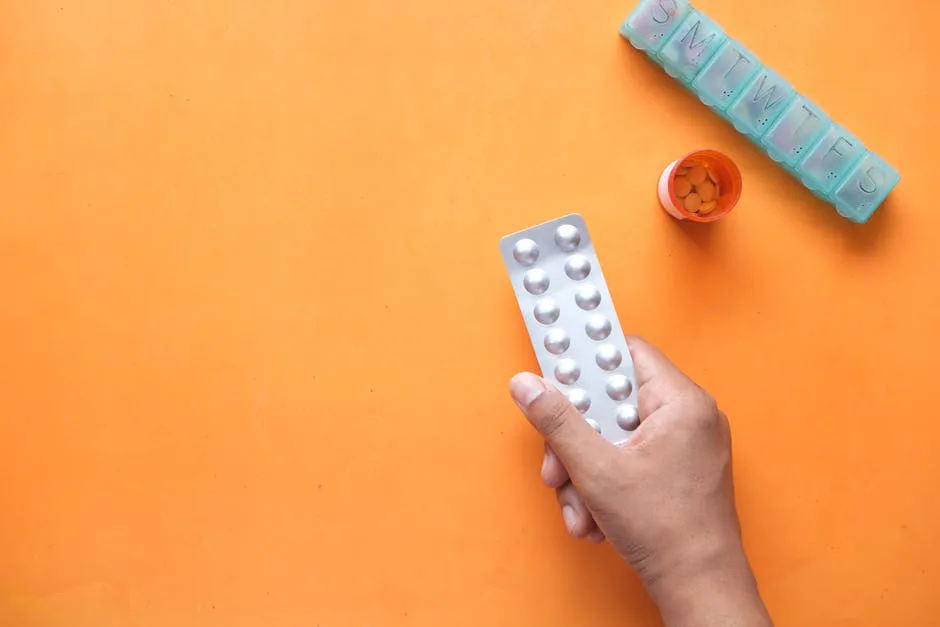
- How long does Adderall stay in your system in 2026? It can be found for 24 hours in blood tests. Hair tests can detect it for up to 90 days. This depends on the test type and your body.
- Immediate-release Adderall has a half-life of 9-14 hours. Extended-release versions stay in your system longer. This is because they release slowly.
- Your body is unique. Things like urinary pH, kidney function, age, dosage, and how often you use it affect how fast your body removes Adderall.
- Having a prescription doesn’t mean Adderall won’t show up on tests. But telling a Medical Review Officer about it protects your rights.
Do you take Adderall? Are you thinking about ADHD treatment? You might wonder how long this medication stays in your body.
Maybe you have a drug test coming up for work. Maybe you want to switch medications. Or maybe you just want to understand what’s happening inside your system.
The question “how long does Adderall stay in your system in 2026?” doesn’t have just one answer. It depends on several factors.
I’ll be honest. When I first researched this topic, I was surprised. The timeline is very different from person to person.
Your age matters. Your kidney function matters. Even what you ate that day can change things.
Let’s break down everything you need to know. We’ll cover Adderall metabolism, detection times, and what affects how long this medication stays detectable.
1. Detection Windows Vary Dramatically by Test Type
Not all drug tests are the same. The type of test makes a big difference.
Urine tests are most common for job screening. They can detect Adderall for 48-72 hours after your last dose. That’s for immediate-release formulations.
Extended-release versions might show up for 72-96 hours.
Blood tests have the shortest detection window. They only detect Adderall for about 24 hours. That’s why they’re rarely used for standard drug screening.
They’re more common in medical settings. Or after accidents where recent use matters most.
Saliva tests fall somewhere in between. They detect Adderall for 20-50 hours after use.
Hair follicle tests are different. These tests can detect Adderall use for up to 90 days. Sometimes even longer.
But they’re less common. They cost more. And they can’t show recent use.
They’re sometimes used in legal settings. Or for jobs requiring extensive background checks.
The 2026 workplace testing landscape has changed. Improved saliva tests now reduce false positives from legitimate prescriptions.
2. Understanding Adderall’s Half-Life Changes Everything
“Half-life” explains why Adderall doesn’t vanish right away. It doesn’t leave your system when you stop feeling its effects.
Half-life means how long it takes your body to eliminate half of the drug.
For immediate-release Adderall, that’s about 9-14 hours in adults.
Let’s say you take a 20mg dose. About 10mg remains in your system after 9-14 hours. Then 5mg after another 9-14 hours. And so on.
Extended-release Adderall makes this timeline more complex. The medication uses a dual-bead release system.
Some newer formulations from late 2025 use triple-bead technology. These release amphetamines in waves throughout the day.
This extends both the therapeutic window and the detection period. Your body isn’t processing one dose. It’s processing multiple smaller releases over time.
It typically takes about five half-lives for a drug to leave your system. For Adderall, that means roughly 45-70 hours for most adults. This is for standard therapeutic doses.
But here’s the interesting part. Drug tests don’t just look for Adderall itself.
They detect metabolites. These are compounds your body creates when breaking down amphetamines. They can stick around even longer than the parent drug.
3. Urinary pH: The Factor Most People Don’t Know About
This one surprised me when I first learned about it.
The acidity or alkalinity of your urine has a huge impact. It affects how quickly you eliminate Adderall.
We’re talking about a 7x difference in excretion rates. This depends on your urinary pH level.
Do you have acidic urine? That’s pH below 6. Your body can eliminate amphetamines much faster. Sometimes the detection window reduces from three days to under 24 hours.
Alkaline urine is pH above 7.5. This causes your kidneys to reabsorb more of the drug. It keeps the drug circulating in your system longer.
This happens because amphetamines are weak bases. Basic urine allows more of the drug to stay in a form that gets reabsorbed. It doesn’t get excreted.
What affects urinary pH? Your diet plays a big role.
High-protein diets tend to acidify urine. So do certain foods like cranberries.
Vegetarian diets typically make it more alkaline. So do citrus fruits.
Some medications also shift pH levels.
But don’t try to manipulate your urinary pH on purpose. It’s not recommended. It can be dangerous.
Plus, sophisticated drug testing labs in 2026 often check pH levels. This is part of their validity testing. It helps them detect tampering attempts.
4. Individual Factors That Affect Clearance Rates
Your body isn’t identical to anyone else’s. That means your Adderall elimination timeline won’t be either.
Age makes a big difference. Children and adolescents typically metabolize Adderall faster than adults.
Older adults may process it more slowly. This is due to reduced kidney function.
Are you over 65? Your elimination time could be 20-30% longer than someone in their twenties.
Kidney and liver function are critical here. About 70% of Adderall is excreted unchanged through urine.
Any kidney impairment directly extends how long the drug stays in your system.
Liver function matters too. The liver doesn’t heavily metabolize amphetamines. But it’s involved in processing the metabolites.
Do you have concerns about organ function? You should discuss this with your healthcare provider. Do this when starting ADHD medication.
Body composition affects metabolism rates. So does hydration status. Even genetic variations in the CYP2D6 enzyme play a role.
People with higher body mass may eliminate the drug more slowly.
Chronic dehydration can also extend detection windows. But chugging water won’t magically flush Adderall from your system faster. More on that myth later.
5. Dosage and Frequency Create Cumulative Effects
Here’s something important. Detection timelines you read online are typically based on standard therapeutic doses.
These range from 5-60mg daily for ADHD treatment.
Have you been taking Adderall daily for months or years? You may have a slight accumulation effect. This is compared to someone taking their first dose.
This doesn’t mean it builds up dangerously. Your body reaches a steady state. But it can affect detection windows slightly.
Higher doses extend detection times proportionally.
Someone taking 60mg daily will have a longer detection window. This is compared to someone on 10mg. There’s simply more drug to eliminate.
This is one reason why proper Adderall dosage matters. It’s not just for effectiveness. It helps you understand how the medication affects your body.
Frequency matters too. Do you take Adderall every day as prescribed? Your baseline levels are different than someone who takes it occasionally.
Daily users might test positive for slightly longer periods after stopping. This is compared to occasional users at equivalent doses.
But the difference isn’t as dramatic as you might think.
6. What Drug Tests Actually Detect
Drug tests aren’t looking for Adderall specifically. They’re screening for amphetamine compounds and their metabolites.
When your body processes Adderall, it breaks it down. Adderall contains dextroamphetamine and levoamphetamine.
Your body converts these into metabolites. These include amphetamine and norephedrine.
These metabolites are what most tests actually detect. They can persist in your system longer than the active drug itself.
Standard immunoassay screening tests have cutoff levels. Typically 1000 ng/mL for amphetamines in urine.
Does your sample test positive on the initial screen? It goes to confirmatory testing. This uses gas chromatography-mass spectrometry (GC-MS).
This is far more specific and accurate. The confirmatory test can distinguish between different types of amphetamines. It can rule out false positives.
Speaking of false positives: certain medications can trigger an initial positive result.
Some ADHD medications do this. Decongestants containing pseudoephedrine can too. Even certain supplements have been known to cause false positives on preliminary screens.
This is why the confirmatory testing process exists. And why the Medical Review Officer (MRO) review is so important.
This matters if you test positive while holding a legitimate prescription.
7. The Truth About Speeding Up Elimination
Can you speed up how quickly Adderall leaves your system?
The internet is full of “detox” methods and hacks. Let’s talk about what actually works. And what’s wishful thinking.
First, the reality. There’s no magic pill, drink, or food that dramatically accelerates amphetamine elimination.
Your kidneys work at the rate they work. Trying to outsmart them is usually futile.
That said, staying well-hydrated supports normal kidney function. This helps maintain optimal elimination rates.
Notice I said “normal” rates. Not faster rates.
Overhydration can actually dilute your urine to suspicious levels. Drug testing facilities flag this as potential tampering.
In 2026, most testing labs check specific gravity and creatinine levels. This ensures samples haven’t been diluted.
Exercise won’t speed things up either. Despite what some online forums claim.
Staying active is great for overall health. It might help with ADHD focus strategies.
But it doesn’t significantly affect how your kidneys process amphetamines.
The same goes for saunas, detox teas, and activated charcoal. These might make you feel like you’re doing something. But they won’t change your drug test timeline in any meaningful way.
8. Workplace Testing and Your Legal Rights
Do you have a legitimate Adderall prescription? Do you face workplace drug testing? You have rights.
The Americans with Disabilities Act (ADA) protects individuals being treated for ADHD.
ADHD is recognized as a disability when it substantially limits major life activities.
However, this doesn’t mean you can simply refuse testing. It means you need to follow proper disclosure procedures.
When you test positive for amphetamines, the sample goes to a Medical Review Officer (MRO). This is a physician specifically trained in drug testing interpretation.
You’ll have the opportunity to provide documentation of your prescription.
The MRO verifies your prescription is legitimate and current. Then they typically report the result as negative to your employer.
Your specific medication and diagnosis remain confidential medical information.
The Department of Transportation updated its amphetamine testing protocols. These came with revised cutoff thresholds. They fully implemented in 2026.
This affects transportation industry workers specifically.
These changes actually improved the process for legitimate prescription holders. They reduced false positives while maintaining safety standards.
Do you work in a DOT-regulated position? Make sure you understand these specific requirements. Discuss your medication with your healthcare provider.
9. Special Considerations and When to Seek Guidance
Certain situations require extra attention. This is when it comes to Adderall and drug testing.
Are you switching from Adderall to another ADHD medication? Understanding the detection timeline helps you plan appropriately.
Different medications have different detection windows. Some might clear faster. Others slower.
Do you have kidney disease? Liver problems? Other health conditions affecting drug metabolism?
Your elimination timeline could be significantly different from standard estimates.
This isn’t just about drug testing. It’s about medication safety.
Extended elimination times can increase the risk of side effects. Or drug interactions.
Are you experiencing ADHD medication side effects that seem prolonged?
Delayed elimination might be a factor. This is worth discussing with your doctor.
Drug interactions can also affect how long Adderall stays in your system.
Certain medications alter urinary pH. Others compete for the same elimination pathways.
Are you taking multiple medications? Your healthcare provider should review potential interactions. Do this especially before situations where elimination timing matters.
10. What to Do If You’re Facing an Upcoming Drug Test
Do you have a drug test scheduled? Are you taking Adderall as prescribed? Transparency is your best policy.
Before the test, inform the testing facility. Tell them you’re taking prescription medication.
Many facilities have forms where you can list current medications. Fill this out accurately.
Keep your prescription documentation accessible.
This includes the prescription label. Also pharmacy information. And ideally a letter from your prescribing physician.
This helps if you’re in a situation where extra documentation is needed. Like pre-employment screening for sensitive positions.
Most physicians who treat adult ADHD are familiar with providing such documentation when needed.
Don’t try to time your doses to “beat” the test. Don’t skip doses without medical guidance.
This can be dangerous. It may affect your treatment effectiveness.
Remember this. Having a positive test for a medication you’re legitimately prescribed isn’t a problem. This is when proper disclosure procedures are followed.
The system is designed to protect patients taking necessary medications. It also maintains workplace safety.
Final Thoughts
Understanding how long Adderall stays in your system isn’t just about drug testing. It’s about being informed.
It’s about knowing what’s happening in your body when you take medication.
The detection windows range widely. As little as 24 hours in blood. Up to 90 days in hair.
Urine tests are most common. They typically detect use for 48-96 hours. This depends on formulation and individual factors.
Your age plays a role. So does kidney function, urinary pH, and dosage. The specific type of test matters too.
Are you taking Adderall as prescribed for ADHD? Focus on working with your healthcare provider. Make sure you’re on the right treatment plan.
Don’t worry excessively about detection windows.
Be transparent about your medication use when facing drug tests. Understand your rights as a prescription holder. Follow proper disclosure procedures.
Are you just beginning the ADHD diagnosis process? Are you considering medication?
Having this knowledge upfront helps you make informed decisions about your treatment.
When in doubt about any aspect of your medication, talk to your doctor. This includes side effects and drug testing concerns.
Your prescribing physician is your best resource for personalized guidance.
Sources & Further Reading
- FDA Adderall Prescribing Information — Official drug label with pharmacokinetic data and metabolism details
- SAMHSA Drug Testing Guidelines — Federal workplace drug testing standards and procedures
- StatPearls: Amphetamine Pharmacology — Comprehensive peer-reviewed resource on amphetamine metabolism and elimination
- Mayo Clinic Drug Reference — Detailed information on amphetamine compounds, detection, and clinical considerations